 By Admin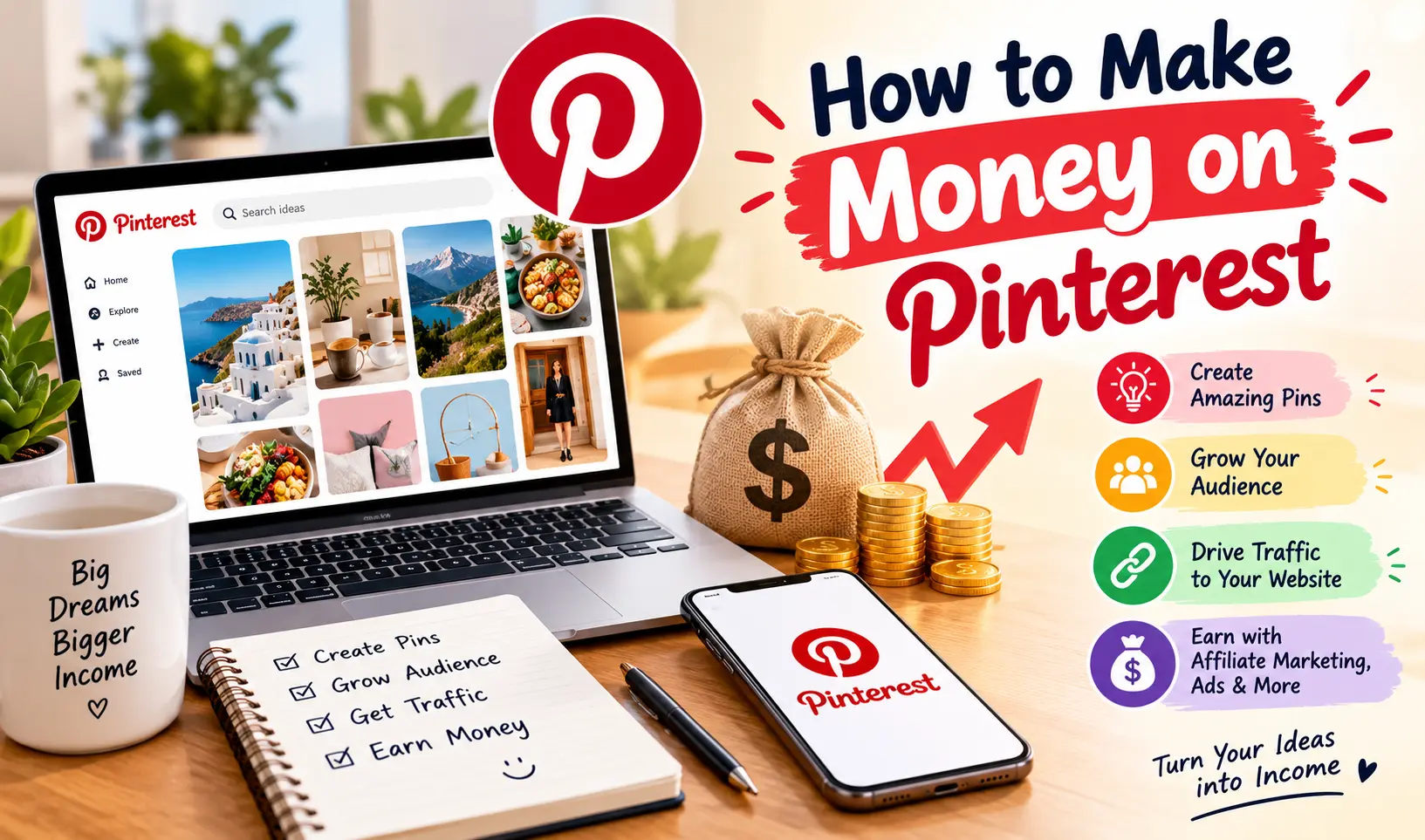
Most people think of Pinterest as a place to save recipes, outfit ideas, or home décor inspiration. But Pinterest is also a powerful search engine, and that is exactly why it can earn you money. Unlike Instagram or Facebook, where a post disappears within a day or two, a good Pin can keep sending traffic for months or even years.
If you have been wondering “Pinterest se paise kaise kamaye?”, this guide walks you through the most practical methods, even if you are starting from zero.
Why Pinterest Is Good for Earning
Pinterest users come with buying intent. Someone searching “small bedroom ideas” or “healthy tiffin recipes” is often planning to act: buy, cook, travel, or learn. That makes Pinterest traffic more valuable than a casual scroll on other platforms. You also don’t need a big following. A new account with well-optimized Pins can get views because Pinterest ranks content by keywords, not just follower count.
1. Affiliate Marketing
This is the most popular method. You create Pins that promote products, and when someone buys through your affiliate link, you earn a commission.
How to start:
- Join programs like Amazon Associates, Flipkart Affiliate, or niche programs for your topic.
- Create a Pin showing the product or a helpful idea (for example, “5 Study Table Setups Under ₹5000”).
- Link it to a blog post or landing page that includes your affiliate links.
Always check Pinterest’s current rules on affiliate links and disclose them honestly, as policies can change.
2. Drive Traffic to Your Blog
If you run a blog, Pinterest can become one of your biggest traffic sources. Every blog post can have several Pin designs pointing to it. More traffic means more income from display ads (Google AdSense, Mediavine, etc.), affiliate sales, and sponsored posts.
Blogs on recipes, parenting, fashion, travel, personal finance, DIY, and wedding planning tend to perform especially well.
3. Sell Digital Products
Digital products need no inventory, no shipping, and have high profit margins. Popular ideas include:
- Planners, printables, and habit trackers
- Resume and Canva templates
- Study notes and exam guides
- Budget sheets and Excel templates
- Wedding invitation designs
- eBooks and recipe collections
Create the product once, then use Pinterest to bring buyers to your store on Gumroad, Payhip, Etsy, or your own website.
4. Offer Services as a Pinterest Manager or Designer
Many small businesses and bloggers know Pinterest matters but have no time to manage it. You can earn by offering:
- Pin design using Canva
- Pinterest account management (scheduling, keyword research, board setup)
- Pinterest SEO for blogs and online stores
Beginners often charge per Pin, while experienced managers work on monthly retainers. Build a small portfolio of sample Pins and approach bloggers, Etsy sellers, and local businesses.
5. Promote Your Own Business or Ecommerce Store
If you sell handmade jewelry, clothing, home décor, or food products, Pinterest can bring you customers directly. Set up a business account, claim your website, and enable product Pins so people can see prices and availability. Strong, bright product photos work best here.
6. Brand Collaborations and Sponsored Pins
Once your account grows and gets steady engagement, brands may pay you to feature their products. You can reach out to brands in your niche with your account statistics, or join influencer marketplaces. A focused account with 5,000 engaged followers can be more attractive to a brand than a random account with 50,000.
7. Pinterest Creator Programs
Pinterest has run creator-focused programs in some countries, but availability and eligibility vary by region and change over time. Check the Pinterest Creator Hub for the latest information instead of relying on outdated blog posts.
Step-by-Step: How to Get Started
Step 1: Choose a niche. Pick something you can create content about consistently, such as budget travel, fitness at home, Indian recipes, or study tips.
Step 2: Create a business account. It is free and gives you analytics and rich Pin features.
Step 3: Do keyword research. Type your topic into Pinterest’s search bar and note the suggestions. Use these keywords in your Pin titles, descriptions, and board names.
Step 4: Design attractive Pins. Use the vertical 2:3 ratio (1000 x 1500 pixels). Keep the text large and readable, and use clean visuals. Canva has plenty of free templates.
Step 5: Organize boards. Create 8 to 10 boards around your niche, each with a keyword-rich name and description.
Step 6: Post consistently. Aim for 3 to 5 fresh Pins daily if possible, or at least a regular weekly schedule. Fresh content signals activity to the algorithm.
Step 7: Track and improve. Check Pinterest Analytics to see which Pins get saves and clicks, then make more of what works.
Common Mistakes to Avoid
- Copying others’ Pins. Original designs perform better and keep you safe from violations.
- Ignoring keywords. A beautiful Pin with no searchable text rarely gets seen.
- Spamming links. Posting only affiliate links with no useful content can hurt your account.
- Expecting overnight income. Pinterest is a slow-burn platform, and most people see traction after 3 to 6 months.
How Much Can You Earn?
There is no fixed number. Beginners may earn nothing in the first couple of months while the account builds momentum. With consistent effort, some creators earn a few thousand rupees a month from affiliate links or ad revenue, while experienced bloggers and sellers earn much more. Your income depends on your niche, content quality, and persistence.
Final Thoughts
Pinterest rewards patience, creativity, and smart keyword use. You don’t need a huge audience or expensive tools to begin. Pick one method, whether affiliate marketing, digital products, or Pin design services, and focus on it for a few months before expanding.
Start today: set up your account, create your first five Pins, and learn from the analytics. Small, steady steps now can turn Pinterest into a reliable online income source over time.